
‘Investing in yourself or the stock market‘ is a question I’ve wrestled with for a while. When considering whether to invest in yourself or the stock market, I initially thought the smartest move was to put every extra dollar into an index fund and let compound interest do the magic. It made perfect sense until I came across a different way of thinking about growth and wealth. What if the best investment isn’t in the market, but in yourself? In this post, I explore how that shift in mindset completely changed the way I approach money and opportunity.
What Is Financial Independence and the FIRE Movement?
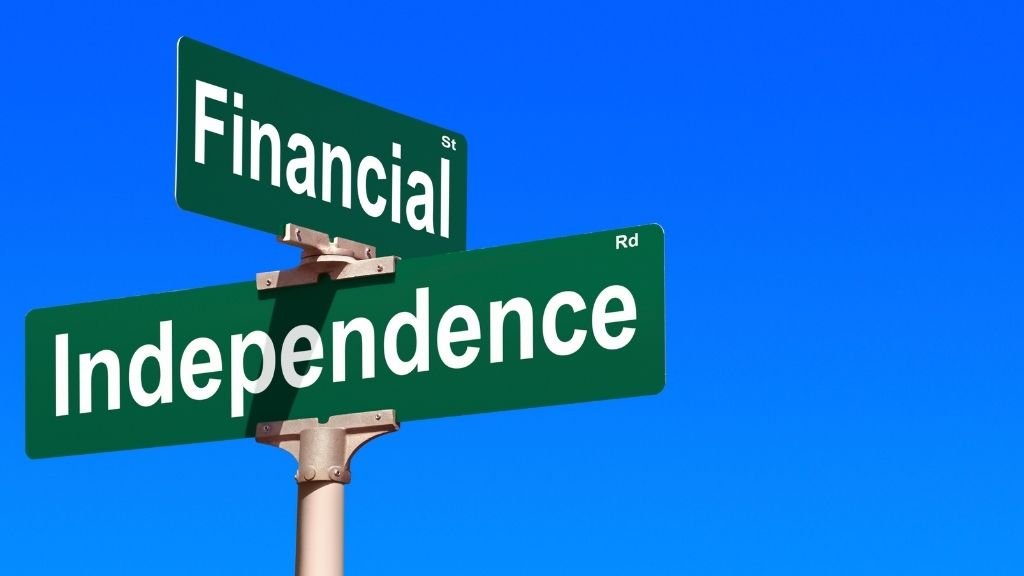
To anyone not familiar with the financial independence community, FIRE stands for Financial Independence, Retire Early. The idea is simple: you invest enough money so that the returns—through dividends and compound growth are enough to cover your living expenses for life (I promise to break it down in another post).
It may sound far-fetched, but once you understand the process, it becomes surprisingly clear. The FIRE strategy usually centers on investing consistently in index funds such as the S&P 500 (VOO), which historically has returned about 8–12% annually. For example, investing $500 every month for 15 years at 10% growth would leave you with more than $190,000.
For a long time, I believed this was the only clear path to financial freedom until I discovered another perspective.
The Case for Index Fund Investing (S&P 500)
The FIRE community encourages putting as much money as possible into broad index funds. These funds grow steadily over time and let you benefit from compound interest. The math feels like a sure bet: keep investing, stay consistent, and eventually, the portfolio will work for you.
But then I came across entrepreneur Alex Hormozi. His view challenged everything I thought I knew about financial independence.
Alex Hormozi’s Approach: Invest in “S&Me, Not S&P”

Alex Harmozi, founder of Acquisition.com and author of 3 of my favorite business books; $100M Offers, $100M Leads, and $100M Money Models, makes a strong case for a different kind of investment: YOURSELF!
He argues that, especially when you’re young, you shouldn’t focus on the stock market. Instead, use that money to increase your skills, knowledge, and earning power. See why he calls it S&Me?
For example, if you have $1,000, putting it into an index fund may grow to about $1,080 in a year at an 8% return. But if you use that same $1,000 to pay a mentor, buy a course, or attend a workshop, the potential return could be exponentially higher. By leveling up your skills, you increase your income potential for life—far outpacing the market’s returns.
Why I Combine Both Strategies

I believe both approaches have merit. Like Hormozi, I think it’s smart to invest aggressively in yourself especially early in your journey. Skills, relationships, and opportunities compound over time just like money does. Ultimately, deciding whether to invest in yourself or the stock market depends on balancing these factors effectively.
But I also agree with the FIRE philosophy on one thing: having a safety net. Building an emergency fund of 3–6 months’ expenses protects you from setbacks and keeps you from going into debt. For example, if your monthly living expenses are $1,000, keeping $3,000–$6,000 in savings is a wise step.
Once you have that cushion, you can afford to take risks and invest more confidently in yourself. (Check out the mindset I think is necessary to walk the FIRE path)
Final Thoughts: Where Will You Invest?

At the end of the day, the choice between the S&P 500 and the S&Me isn’t really either-or. Both play a role in building financial independence. But if you’re young, ambitious, and capable of growth, the returns on investing in yourself may outshine the stock market in the long run.
So I’ll leave you with this question: Will you put your next dollar into the S&P or the S&Me?
Important Links
Alex explains why he thinks you should invest in yourself when you’re young